More than a style
Bali is often associated with a visual language of pitched roofs, natural stone, carved timber, courtyards and lush gardens. These elements can be beautiful, but Balinese architecture cannot be reduced to a collection of decorative details. Its deeper value lies in the relationships it creates: between built space and landscape, communal and private life, and moments of activity and pause.
At MF Design Studio, our interest is in what those relationships can teach contemporary design. A house, villa or hospitality space should feel connected to its setting without having to imitate a traditional building.
Harmony as a way of thinking
Tri Hita Karana is a Balinese philosophy commonly described through harmony among people, the natural environment and the divine. It is a cultural framework, not a ready-made design formula. Still, it offers a useful question for designers: how will a space support good relationships with its surroundings and the people who use it?
In practical terms, that might mean giving natural light and air a meaningful role, planning shared areas that encourage connection, and making room for privacy and reflection. It also means approaching local traditions with care, listening to people with knowledge of the site, and avoiding sacred symbols as mere visual accessories.
Let climate lead the conversation
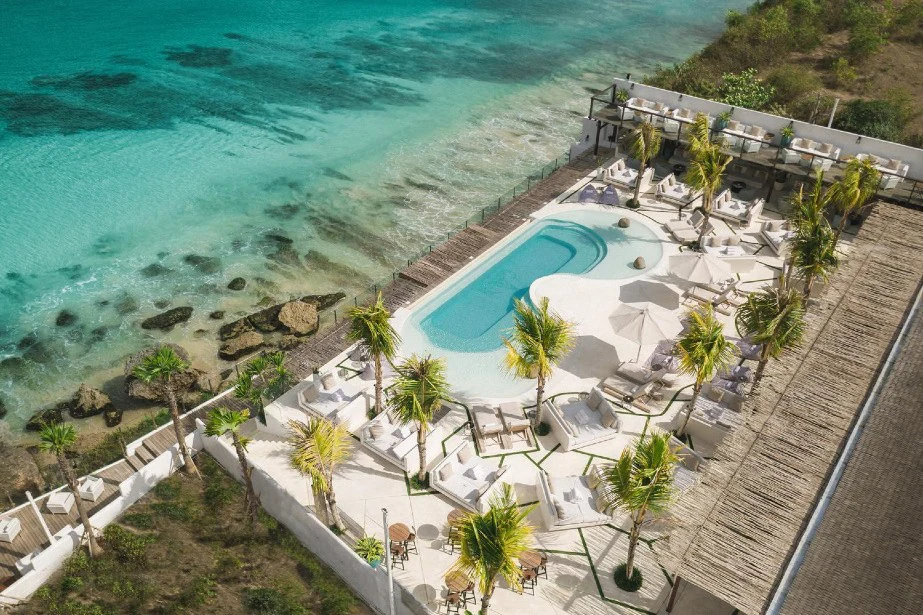
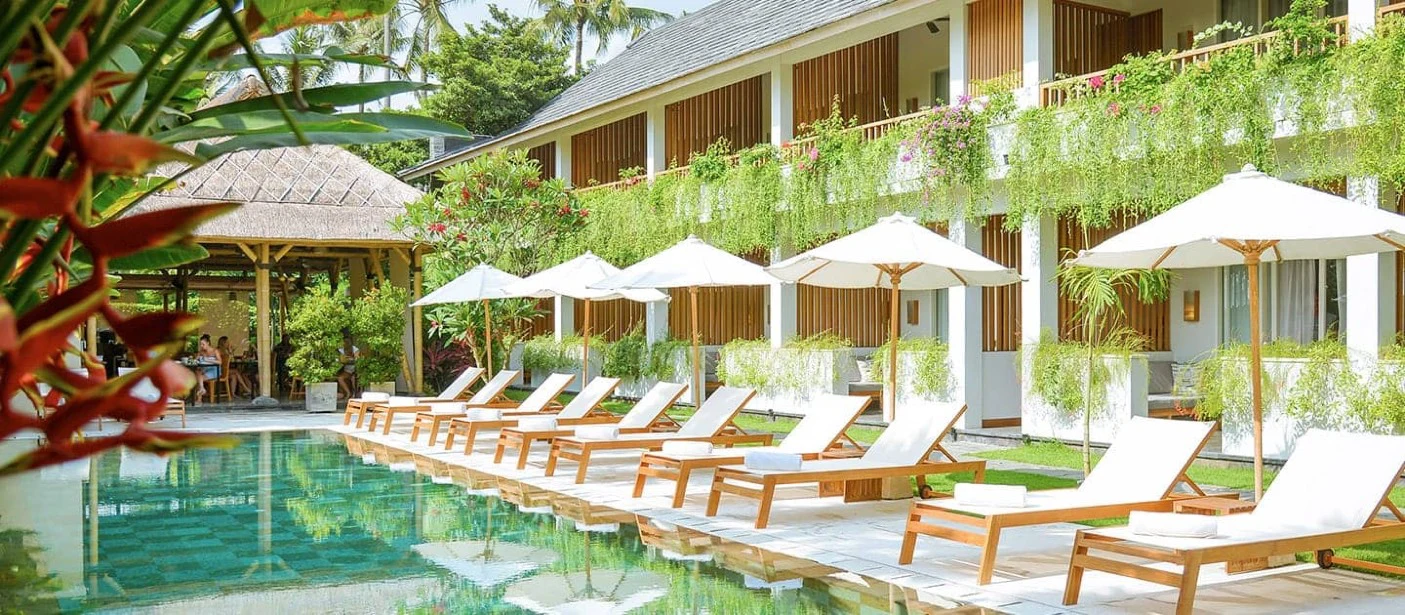
Designing in Bali asks us to think about sun, rain, humidity and the transition between inside and outside. A generous overhang can help shelter a walkway. A shaded terrace can become a room of its own. Cross-ventilation, appropriately placed openings and durable finishes can make everyday life more comfortable.
These are not stylistic trends. They are responses to the realities of a tropical place. The best decisions usually happen early, when orientation, circulation and spatial relationships can still shape the architecture.
Material with meaning
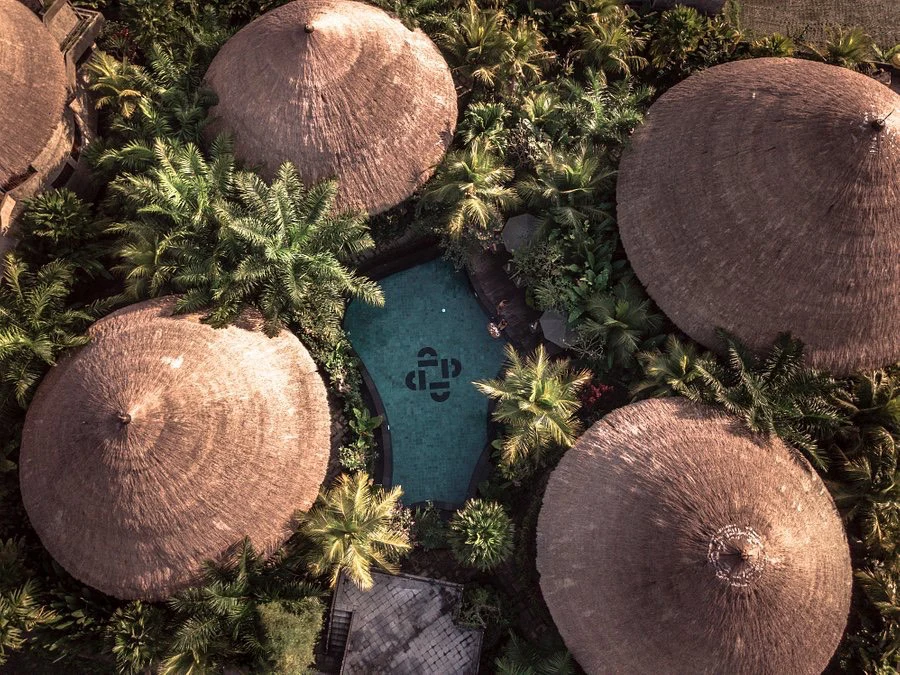
Timber, stone, plaster, woven textures and natural tones have long been part of the island’s material vocabulary. But selecting a material requires more than liking its appearance. We consider how it feels to the touch, how it weathers, how much maintenance it needs and where it makes sense to use it.
A restrained palette can allow the grain of wood, the character of stone or the rhythm of a crafted detail to carry the atmosphere. This approach feels close to our idea of Mindful Form: spaces shaped with intention, forms created with feeling.
A contemporary expression, rooted in place
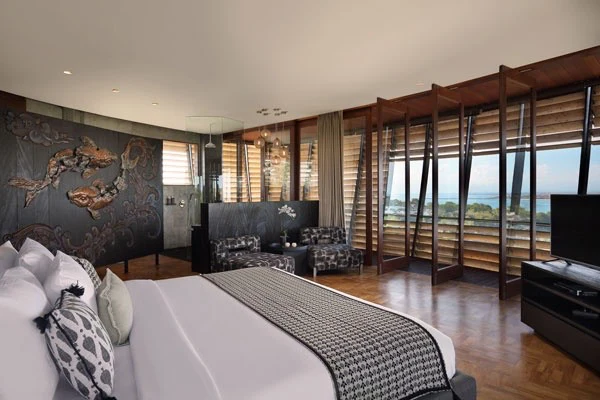
Modern architecture and Balinese sensibility are not opposites. Clear geometry can sit alongside generous garden edges. A minimal interior can still have warmth and cultural context. Hospitality can feel internationally relevant while remaining unmistakably connected to Bali.
For MF, the goal is not to make every project look the same. It is to design with attention—to the site, to function, to material and to the people who will make that space their own.